The Unseen Blade: No Town is Too Far
我的乡愁解
Dawn Sword
乡和愁本来是两个词。
乡,中国行政区划基层单位,而家乡、故乡,泛指自己生长的地方或祖籍,一般会和童年联系在一起。
愁,像一种病,大都中年以后才发生,所谓少年不知愁滋味。中年以后,历经沧桑,阅尽人间脸色,失败的痛苦大于成功的喜悦,短暂的风光不敌长久的煎熬,于是忧虑、感慨、烦闷、焦躁,惆怅、不安,最终凝结为愁。
而乡和愁变成一个词组后,则使乡有了审美功能,哪怕那里贫瘠荒凉,还使愁产生了境界,哪怕是强皱眉头。因而,乡愁在中国很早就成为了一种时尚,谁要是不会表达一点乡愁,那就算不上成功人士,无颜见江东父老,一些自觉品味高的人,更把乡愁变成了诗歌、散文,这其中有抒发情感的元素,也有炫耀文采的目的。
比如:怅望遥天外,乡愁满目生/何处积乡愁,天涯聚乱流/孤灯然客梦,寒杵捣乡愁/幸不折来伤岁暮,若为看去乱乡愁。/
比如:在她频频回顾的飞翔里总带着乡愁/于游子而言,人世间,最是依恋的永远是对故乡的那一份愁/离乡三年有余,乡愁开始渐渐地在某些个夜深人静的时候悄悄袭来/在闲暇的时光中,故乡隐约的召唤牵动灵魂,化作乡愁入梦/在繁华都市的闯荡之余,乡愁是一种思念/别离后,乡愁是一棵没有年轮的树,永不老去。
当然,影响颇广的余光中关于乡愁的邮票这头和那头,除了诗意,更赋予了政治的含义及民族的呼声。
有乡真好啊,可以把愁寄托于那里,似乎现实的沉重和困境就获得了些许解脱。
可是,无乡的人的愁怎么办?还有,从来没离开乡的人就没有愁了吗?
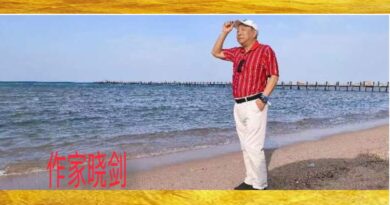
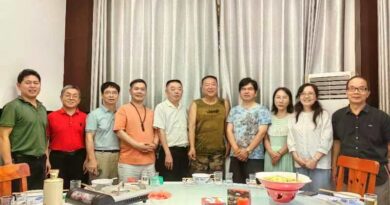
近日我和十几个海南作家组团到河北采风,与河北的一群作家会谈,领导让我说几句,于是我先套近乎,介绍自己的祖籍故乡就是河北,趁机流淌点乡愁,以期得到河北老乡的乡情。尽管我的职业是编故事的,但我是河北人绝非造假。我祖上就生活在河北邢台的南宫县(市)齐家庄,曾祖父从那里参加乡试中了举人,成为戊戌变法公车上书72举人之一,后短暂当过几年小官吏,最终遵从教育救国理念,在老家,也就是故乡创办了河北省第一所现代中学,这中学已经为我曾祖父树立了铜像;我爷爷是中国最早的留美学生,早期在南开与周恩来总理有过交集,回国后在河北井陉煤矿担任总矿师,日本侵略中国时,不愿当亡国奴,于中年郁郁而亡;我父亲走出故乡,在天津工学院读书时参加了革命,主要是组织学生运动,并被我前妻的爷爷(国民党保密局天津站站长)通缉过,解放后在河北唐山担任小小的基层领导工作;而我母亲的老家也在河北,属保定府的定县,她少女时期去了北平读书,后来也参加了革命。至于我,出生地是河北唐山,两岁后进入天津,9岁时才到的北京。
这一番对隐私的公开,我认为谁都会觉得我和我的家族是满满的河北人家啊。然而,没有老乡见老乡的眼泪,也没有对游子归来的亲近,只有几声礼节性的鼓掌。我先是困惑,继而明白,这并非河北作家的不近人情,而实际上他们已把我这个从没有在祖籍生活过的家伙当做是外乡人了。可能我要说我是正牌北京作家或地道海南作家,应该还会收到不一样些的掌声。
尽管是祖籍,可小时候没有生活过的地方,似乎就不是故乡了,在那里发乡愁算是选错了地方。细思量,对河北南宫也确实没有什么思念或寄托,因为我至今也没到过那里。而我在唐山,在天津,在北京,在云南,在海南生活过,那里就是故乡了吗?那里的人把我当老乡了吗?古人感慨,总把他乡当故乡。其实也对,在人生中,常会有第二故乡的存在,比如在什么地方当兵久了,在什么地方当知青久了,在什么地方打拼久了,都会对那个地方萌生出或多或少的情感,正如俗话说,一块石头在怀里捂久了,都会热起来。
我想,乡愁表达的应该是一种情绪和心态,借着对故乡的思念宣泄并消解人生的苦闷,也算是另一种形式的怀旧吧。另外,难道无乡就没有愁吗?有乡就一定会愁吗?从这个层面看,曾经热闹一时的根文化是个伪命题,任何人,任何民族,任何种族都有根,都会留下历史的痕迹,寻不寻,想不想,愁不愁,爱不爱,它都在那里。
在年过花甲之时,我清晰地认识到,其实灵魂驻守在哪里,哪里才是故乡。而籍贯意义或童趣意义的故乡,有时反倒不敢回与回不去了。至于愁,在哪里都有,在哪里都可能会“问君能有几多愁,恰似一江春水向东流”,更何况,抽刀断水水更流。
于我而言,在海南生活了30个春秋,对这里的一草一木早已经熟悉了,对这里发生的所有事物都会不由自主地关注和思考,半辈子的感情投放在这里,一半以上的文学作品描绘的对象是这里,要是个人真的存在乡愁的话,也应该是海南。
河北作家认为我已经是外乡人,没错!
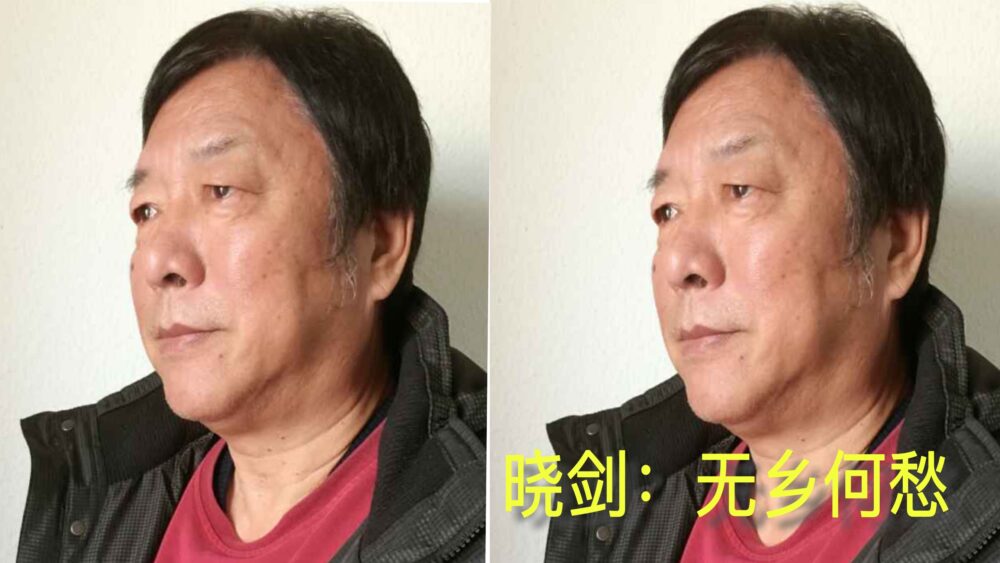
Xiao Jian, a renowned writer and screenwriter. A member of the China Writers Association and the China Film Association, he previously served as the Vice Chairman of the Hainan Provincial Writers Association.
Real name Wang Jian, ancestral home in Nangong, Hebei. Born in Tangshan, Hebei in 1952. Admitted to Renmin University High School in Beijing in 1965. Went to Hekou, Yunnan in 1969 to work as an educated youth. Returned to Beijing in 1975 to work as a worker at the Beijing Heavy Machinery Plant. Entered the screenwriting class at Beijing Film Academy in 1978. After graduation, worked as a reporter for Beijing People's Radio. Entered the writer's class at Wuhan University in 1985. Transferred to the journal of Hainan Normal University in 1989 and worked there until retirement.
Xiao Jian began publicly publishing literary works in 1973. To date, he has published a large number of novellas and short stories in magazines such as *People's Literature*, *Contemporary*, *Harvest*, *October*, *Chinese Writers*, *Youth Literature*, *Tianya*, and *Hong Kong Literature*. He has also published over a hundred poems in magazines like *Poetry*. His works have been repeatedly selected and published in *Fiction Selection*, *Fiction Monthly*, and *Novella Selection*. *People's Daily*, *China Youth Daily*, *Southern Weekend*, *Beijing Daily*, and *Hainan Daily* have all featured his works in full-page spreads.
Since 1983, over 50 works including full-length novels, short story collections, essay collections, and poetry collections have been published by People's Literature Publishing House, Zuojia Publishing House, China Youth Publishing House, Shiyue Publishing House, China Federation of Literary and Art Circles Publishing House, China Workers Publishing House, Shanghai Literature and Art Publishing House, Yunnan Literature and Art Publishing House, Sichuan Literature and Art Publishing House, Huacheng Publishing House, Nanhai Publishing House, and others. These works include titles such as "Youth Dream Symphony," "The World," "Faint Autumn Love," "Hainan Tycoon," "Secret Records of Chinese Educated Youth," "Chinese Educated Youth Overseas," "Heaven's Envy," "Restlessness," "Hainan Romance," "Hainan Godfather," "Vicissitudes," "Returning for Love," "Men's Life Records," "No Snow in Hainan," "Xiao Jian's Poetry Collection," and "Xiao Jian's Collected Works" (6 volumes).
Xiao Jian is the screenwriter for the theatrical films "Our Fields," "September," "Queen of Hearts Under the Gun," "Woman of Vengeance," "Secret Infiltration of the Golden Triangle," "The Mystery of the Double-Headed Eagle," "Righteousness Beyond Clouds," "Extreme Crisis," and "Crossing the Rainforest," as well as the television series that have aired on CCTV and other television stations, such as "Merger," "The Richest Man," "The Women's Red Army," "The Seventh Grade Sesame Official," and "The Red Tiger Tally."
Xiao Jian has won over 10 national and provincial literary awards, and his works have been translated into the United States, Japan, and Italy.
Xiao Jian donated his personal savings of 11 million RMB to establish the Xiao Jian Young Writers Award. He also used the name "Xiao Jian Study" to jointly host the "Xiao Jian Study Forum" with the Hainan Normal University Library and the Hainan Normal University Education Development Foundation, with twelve sessions held annually.