Illuminating the Beauty of Chinese Characters with “Electric Writing”: The 2nd “Hanzi Tree Cup” Global Youth Chinese Character Input Competition Successfully Concludes
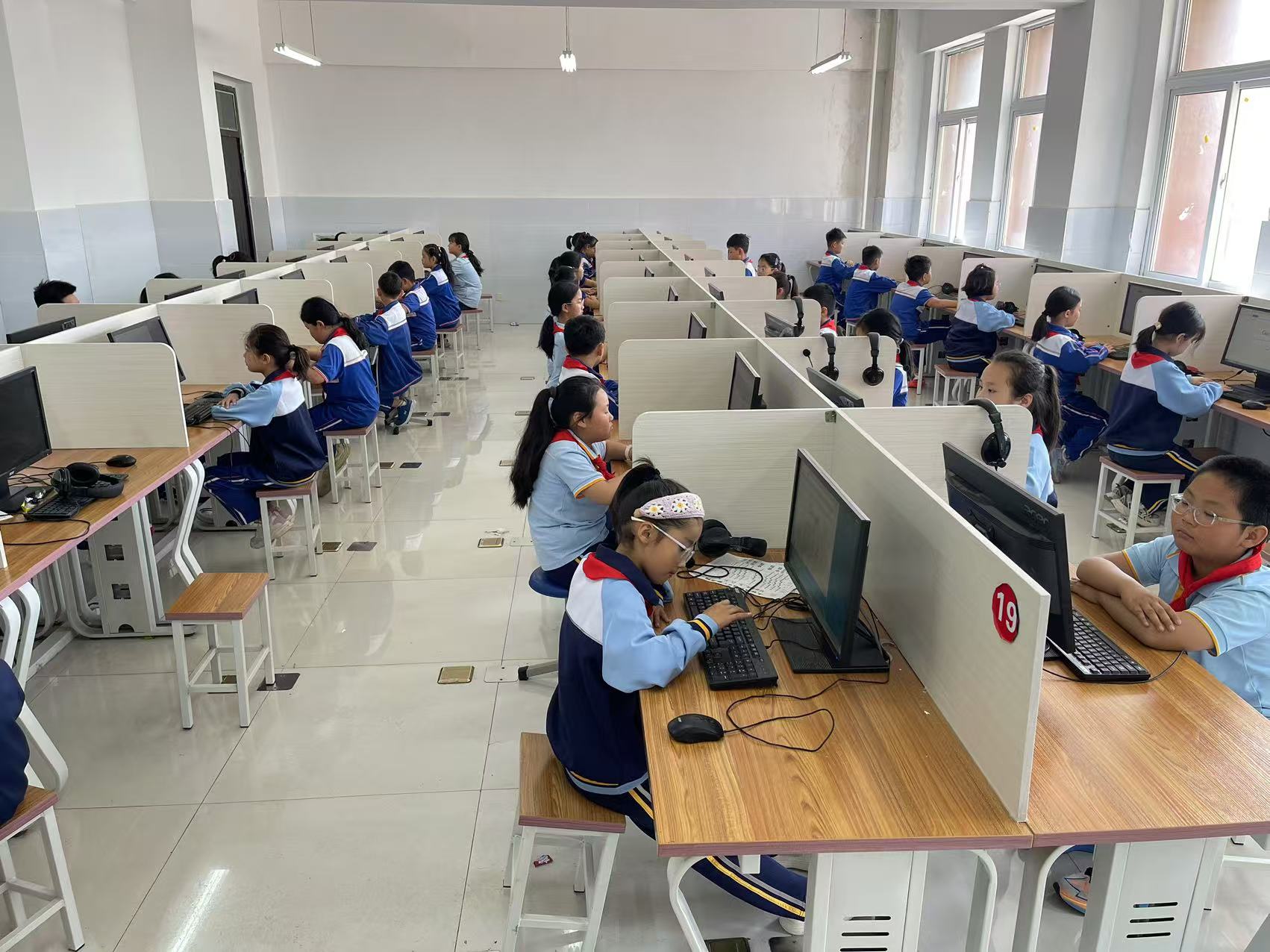
(Toronto, China-Net News, Reporter Fengqiao) On April 18, the second “Hanzi Tree Cup” Global Youth Chinese Character Input Competition was successfully held on International Chinese Language Day. Over a thousand young people from 18 countries including the United States, China, Indonesia, the Philippines, and Canada competed on the same stage, using keyboards as pens and Chinese characters as bridges to experience the unique charm of Chinese characters. This year's competition has seen an increase in scale, participation, and influence, demonstrating a new trend of integrated development between international Chinese language education and digital technology.
This competition is initiated by the Global Alliance of Chinese Characters, co-organized by the Chinese Teachers Association in the Greater New York Area, the Zhou Enlai Foundation, the Chinese Language Education Association of Canada, and the Chinese Teachers Association of Washington State. It aims to promote Chinese language learning among global youth, enhance their Chinese character input skills and information processing literacy, and simultaneously advance the international dissemination of Chinese culture.
Following the successful inaugural event in 2025, this year's competition took place from February to May 2026, with April 18th as the centralized competition day. The number of participants in this year's competition significantly increased compared to the first edition, and the coverage of participating countries and regions was further expanded.
The competition adopts a “Pinyin Input + Pictographic Input” dual-track system, allowing participants to choose a single track or compete in both. The Pinyin Input group is based on the standard Chinese Pinyin system, while the Pictographic Input group uses the “Hanzi Tree” pictographic input method, enabling participants to understand Chinese characters from a structural perspective. The competition will be conducted on a unified platform via the official “Hanzi Tree” website. The tests will include input speed and accuracy, with scoring automatically completed by the system and reviewed by the organizing committee to ensure fairness, justice, and transparency. Currently, the scoring and review work is proceeding in an orderly manner, and the organizing committee will announce the list of competition winners in the near future.
“Learning through competition and promoting learning through competition” is the important philosophy of this event. Before the competition, Wang Zhongqi, the inventor of the pictographic input method, was repeatedly invited to give lectures in primary and secondary schools and universities in the United States. He also promoted the pictographic input method online to teachers, students, and parents in countries such as China and Canada. The competition set up a pre-competition warm-up match and released operational guidelines to help students familiarize themselves with the competition process and system operations, reflecting the humanized design of the event. A highlight of this year's competition is “school-wide participation,” with over 30 schools organizing students to participate collectively, laying the foundation for the sustainable development of the competition.
The top 20 contestants from the Pinyin input group and the Ideographic input group, based on their combined scores in rating and prize allocation, will advance to the championship finals on May 9th to compete for the top three prizes. The total prize money for the competition is $3,000, with 12 gold awards, 24 silver awards, and 40 bronze awards. The championship finals prize money is $888, with $588 for the champion, $200 for the runner-up, and $100 for the third place.
Teaching feedback from the front lines shows that this input method has achieved good results in teaching. Ms. Liu Xinshia, a teacher at Pei Hwa High School in Liping Port, Malaysia, stated, “For example, the character ‘森‘ (sēn) only requires typing three letters, ’M‘, and the character ‘品’ (pǐn) also corresponds to three letters, ”O'. This method helps students understand the structure of Chinese characters." She introduced that students, initially not very interested, gradually shifted to active learning, and their enthusiasm for learning significantly increased. Ms. Zhang Xiaohui, vice principal of the Australian Standard Chinese School, said that teachers, students, and parents participating in the competition generally gave positive feedback, believing that the Hanzi Tree input method is easy to operate, has a low learning threshold, can significantly improve input efficiency, and is particularly suitable for non-native speakers. She suggested further promoting this input method and exploring its application in teaching scenarios such as early childhood literacy, input for lower grades, and writing for higher grades. In the future, the school will continue to carry out practical applications and promotions. Some parents from the Canadian Shuang Kuai Chinese School reported that the online competition format was convenient to participate in and provided a good experience. Students Pei Zhaoyi and Zhou Zihan from the school stated that the pictographic input method combines Chinese character structure with keyboard letters, making it easy to get started, but improving speed still requires practice.
As digital technologies are increasingly integrated into language learning,“Electric writing”Competencies are becoming an important part of international Chinese language education.。CanadaZhai Naigang, president of the Society of Cultural Education, pointed out,As digital technologies are increasingly integrated into Chinese language learning and teaching practices,“Electric writing”Abilities have been gradually formed.Key Competencies in International Chinese Language Education。Chinese character input is not just a technical issue,This relates more to the learner's development in recognizing Chinese characters.、WritingCapacity Building and Improvement of Language Application Efficiency。The Hanzi Tree input method lowers the barrier to learning shape-based input methods.、improve Chinese character input efficiencyActively explore,Provides useful inspiration for the teaching and application of Chinese characters in the new era.。
Competition Advisor、Professor Cheng-chih Chu of the University of California stated,Electronic writing has become the norm for writing today.,Electric writing ability isArtificial IntelligenceEraBasic ability。Host a Chinese character input competition,Helps promote the development of students' Chinese character handwriting skills,Based on reality,Future-oriented,Seize the opportunity when the time is right.,Great significance。Competition Advisor、Professor Tony Chan of MIT stated,The overall level of this competition is significantly higher than the first one.升,Reflecting the continuously increasing enthusiasm for student engagement。He looks forward to more students participating in the competition in the future.,Continuously improve Chinese character application skills.。Ruan Yongqiang, a member of the board of directors of the Chinese Teachers Association of the Greater New York Area, stated,Increased number of participants、Increase student interest,is an important achievement of the event。
Chairman of the Competition、Professor Zong Shihai of Jinan University stated,Chinese character writing、Literacy,especially writing skillsComponents。Electric Chinese characters、Complete the Chinese composition in an electronic way,It is also in line with digitalization、Intelligent development trends,also to some extentTo a certain extent, it alleviates the problem of difficult Chinese character writing.。This year's competition has entirely switched to text input for question design.,And appropriately control the textLength and Chinese character difficulty,more in line with“Usage is learning”“learning Chinese”Language acquisition philosophy(He himself advocates)。Competitors' ratioRace performance,It can generally reflect their literacy.、Reading and writing composition skills。As practice has proven,This competition has yielded significant results.,Of importanceMeaning,Worth promoting continuously。
The successful hosting of this event,Requires multi-party collaborative support。besides the organizer,From educational organizations around the world、Chinese schooland the Youth Association actively participates in co-organizing and promoting,Formed a broad international cooperation network。The event also includes online lectures and teaching.Academic resource development,Promoting Chinese education from the classroom to broader practical scenarios。
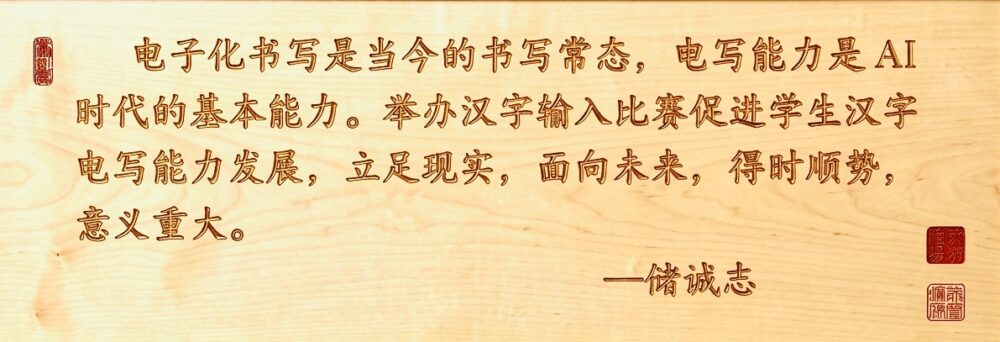
Message from Professor Chu Cheng-chi, Competition Advisor
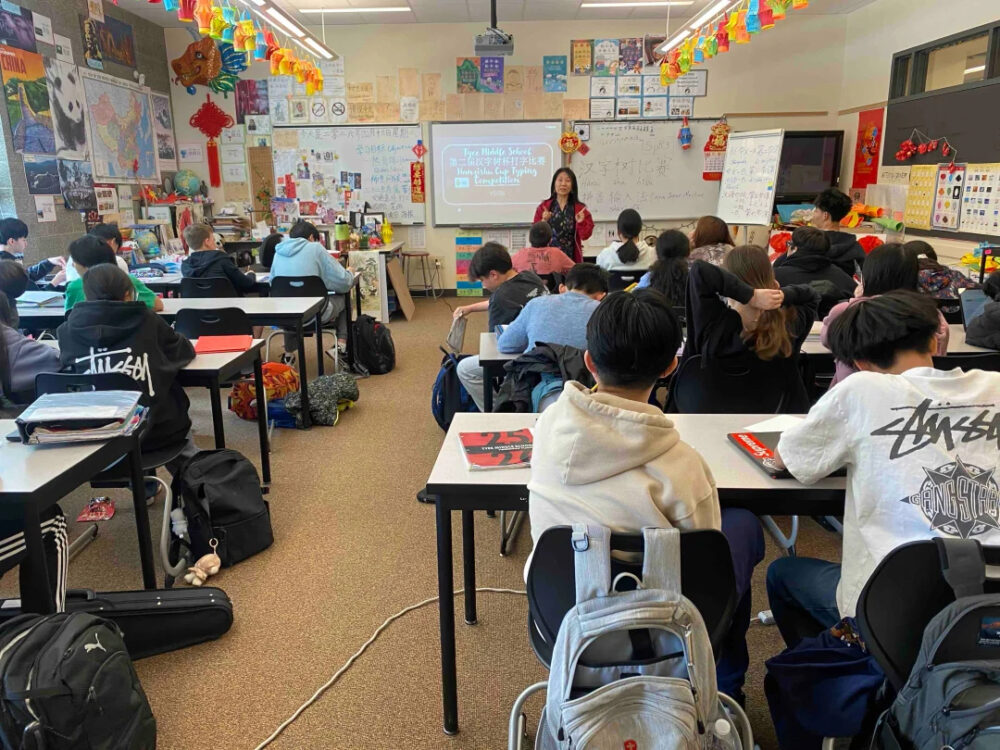
Tyee Middle School, Washington, USA
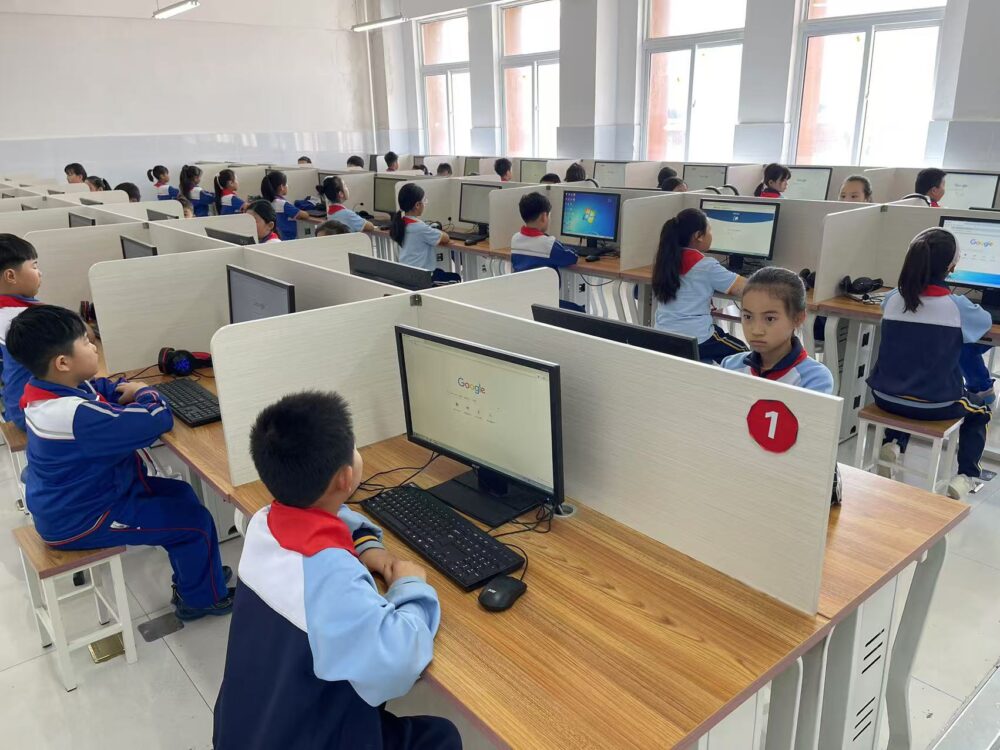
Gaocheng No. 4 Primary School, Shandong, China
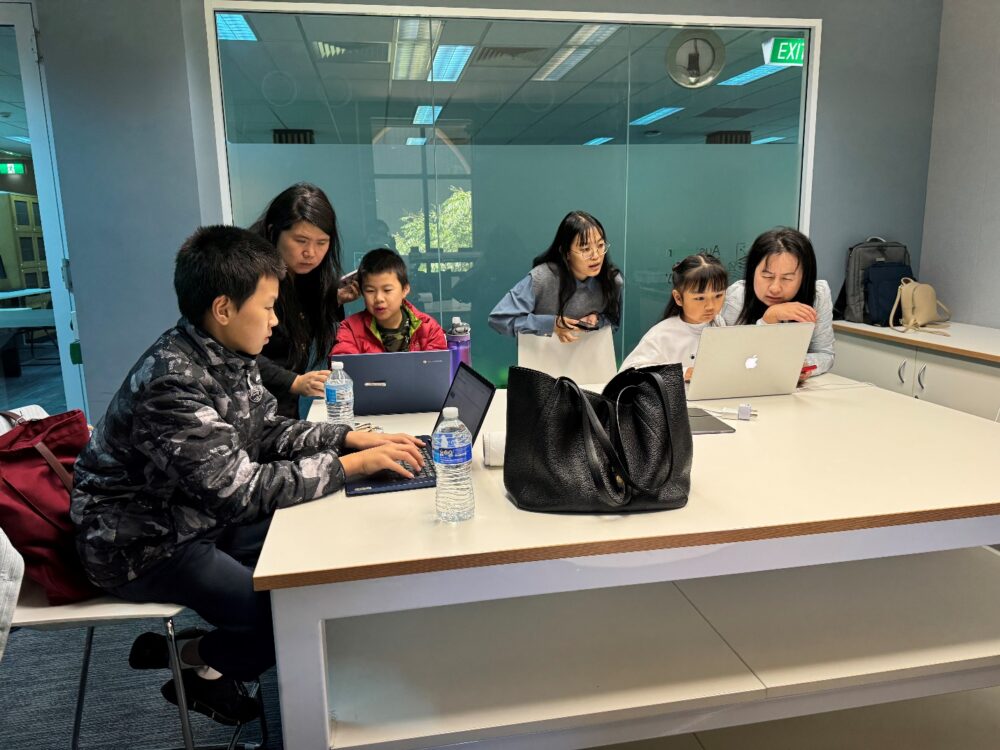
Australian Standard Chinese School
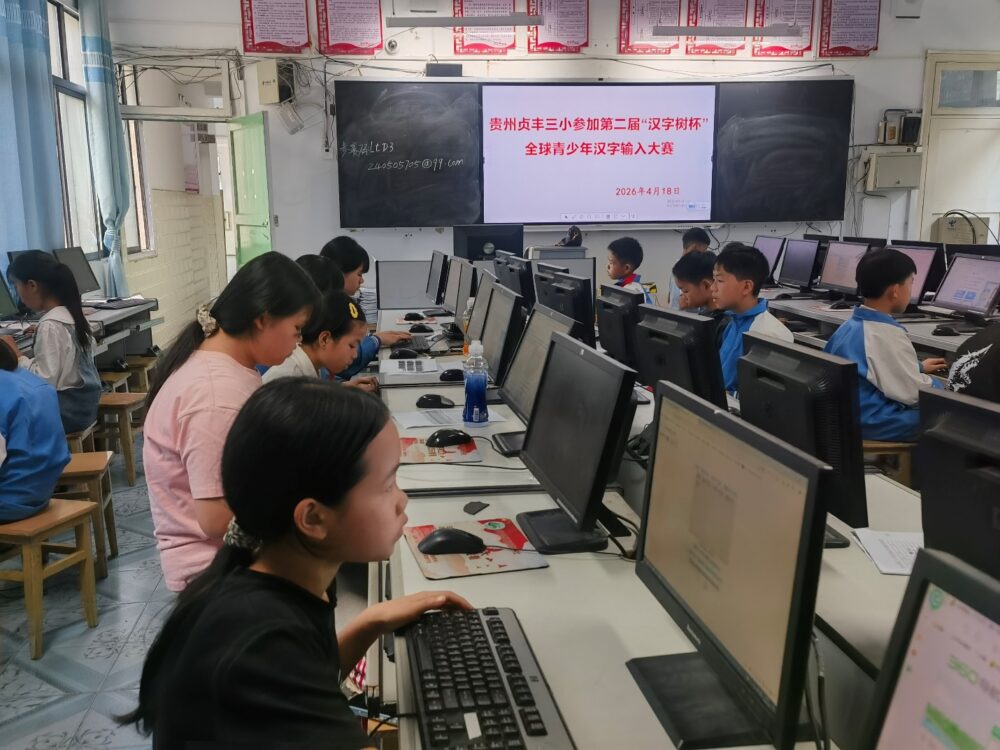
Zhenfeng No. 3 Primary School, Guizhou, China
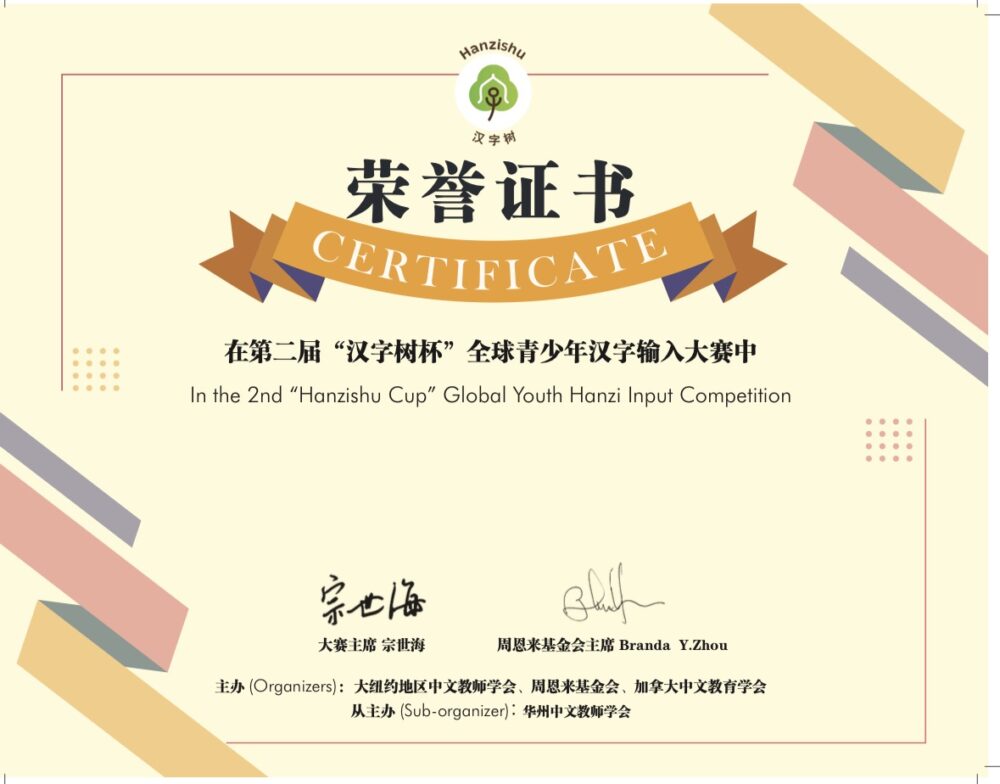
Competition honor certificate